
Blog
Whoopee – I’m off to India again!
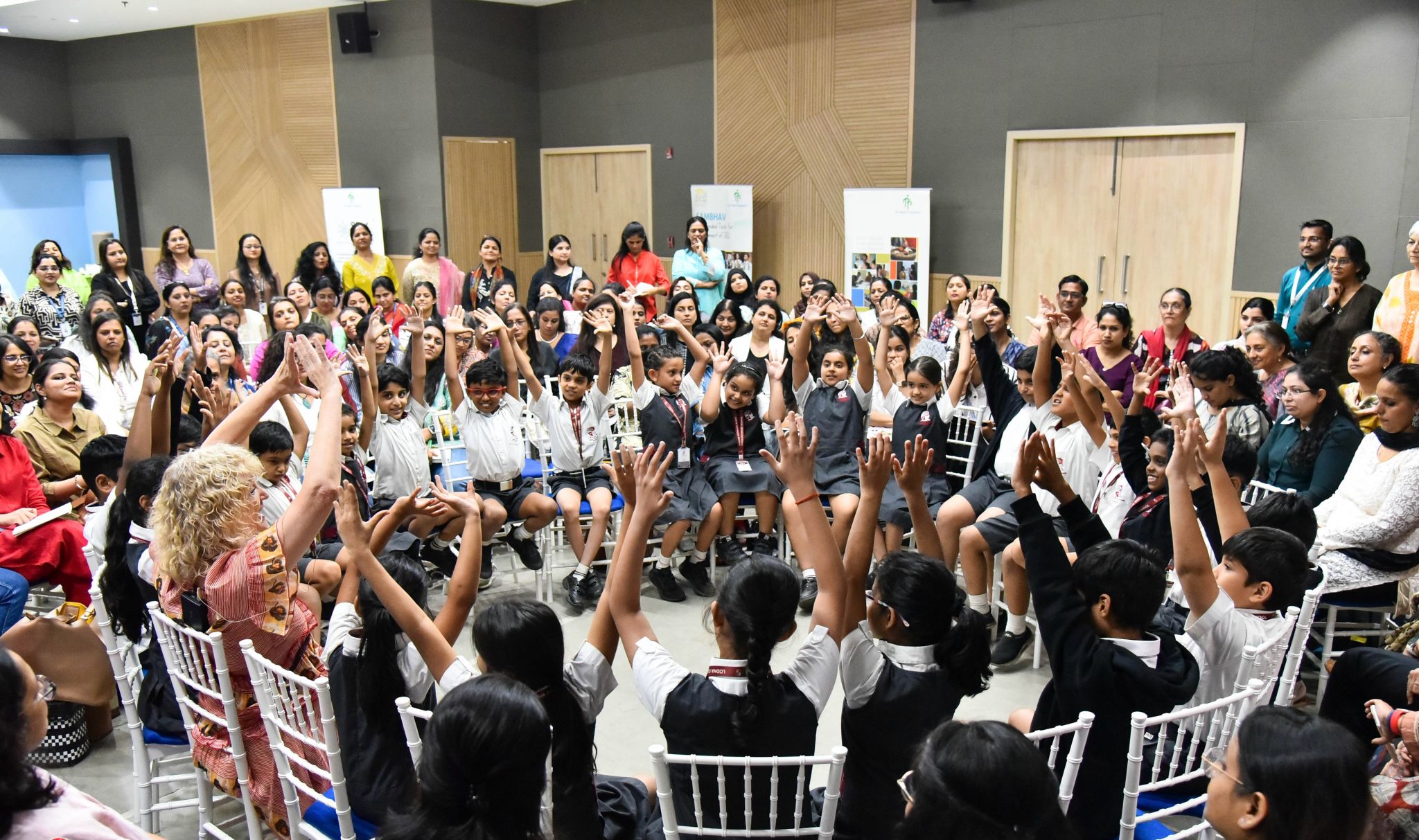 It is a huge privilege to be returning to Delhi to work in another three schools with swathes of teachers who, I know, will absorb my ideas with enthusiasm. Within days, I am confident that many of these strategies will already be making a real impact in their classrooms.
Teachers from Early Years right through to the top of Secondary are equally positive about embedding Circle Time, which is such a joy to witness. Taylor & Francis have just republished a new edition of my secondary school book, A Circle Approach to Boosting Emotional Wellbeing and Relationships in the Secondary School: Making Time to Listen. In it, I include new research highlighting the importance of the circle approach for adolescents, alongside case studies demonstrating its effectiveness.
Yet UK secondary schools so often tell me that they are simply too busy to sit in a circle with young people, allowing their concerns, relationships and emotional needs to shape the agenda, rather than following a prescribed curriculum lesson.
I had to smile when a friend recently sent me this quotation:
“To be a pupil in a large school is a strange experience.
How many of us, if asked to organise an office would so arrange things that people worked for eight or nine bosses in a week, perhaps five different work groups in seven different rooms, without any desk or chair to call their own or put their belongings and discouraged if not prohibited from talking to anyone while working?
Furthermore, which of us would then interrupt them thirty minutes into each task and move them on to the next?
Only slightly caricatured that is the experience of a pupil in a large secondary school.”
Charles Handy (1984), The Future of Work.
It is wonderful to be in India, where I encounter such unreserved positivity towards a model that I know works. The only problem with enthusiasm, energy and excitement is that these qualities need to be channelled well and renewed regularly.
And this is where the quality of school leadership becomes absolutely crucial. Management teams must steady the ship and ensure that the discipline of Plan, Do and Review becomes part of everyday school life. Review is the magical word. It is what transforms an exciting new initiative into something embedded, sustainable and continually improving. Interestingly, many schools in the UK refer to my approach as the Golden Model. But even gold can lose its shine if it is not regularly polished!
My Gold Award school, Watercliffe Meadow in Sheffield, is a wonderful example of how to keep the model vibrant. Staff participate in regular weekly circles, reflecting together on how strategies are unfolding in their classrooms, what is working well and what needs further attention. The school has made a deputy headteacher responsible for maintaining quality. She models the approach in children’s circles, mentors staff, provides resources and ensures that the whole-school commitment remains alive and thriving.
Circles of adults have always helped to build collegiality, trust and a genuine sense of community. Bring a problem to a safe, regular circle of empathic, listening colleagues and something remarkable happens. It becomes our problem, rather than a worry carried by one individual. That sense of shared responsibility is enormously powerful.
So yes, I may inspire and enthuse teachers. I may encourage them to cherish social and emotional intelligence, emotional wellbeing and positive relationships alongside academic excellence. They may embrace the practical strategies I share and begin using them immediately. But it is school leadership that must ensure the quality, consistency and longevity of those approaches. This commitment needs to be celebrated, not simply expected.
School budgets are stretched; teacher morale is fragile; young people are navigating the challenges of an increasingly digital age. Meanwhile, joy, playfulness and fun can quietly tiptoe out of our classrooms and staffrooms. Training will be wasted unless we plan together, put our ideas into practice, review them honestly and celebrate what works.
The real measure of successful training is not how inspired teachers feel when they leave the room. It is what is still happening in their classrooms, staffrooms and school communities months and years later.